

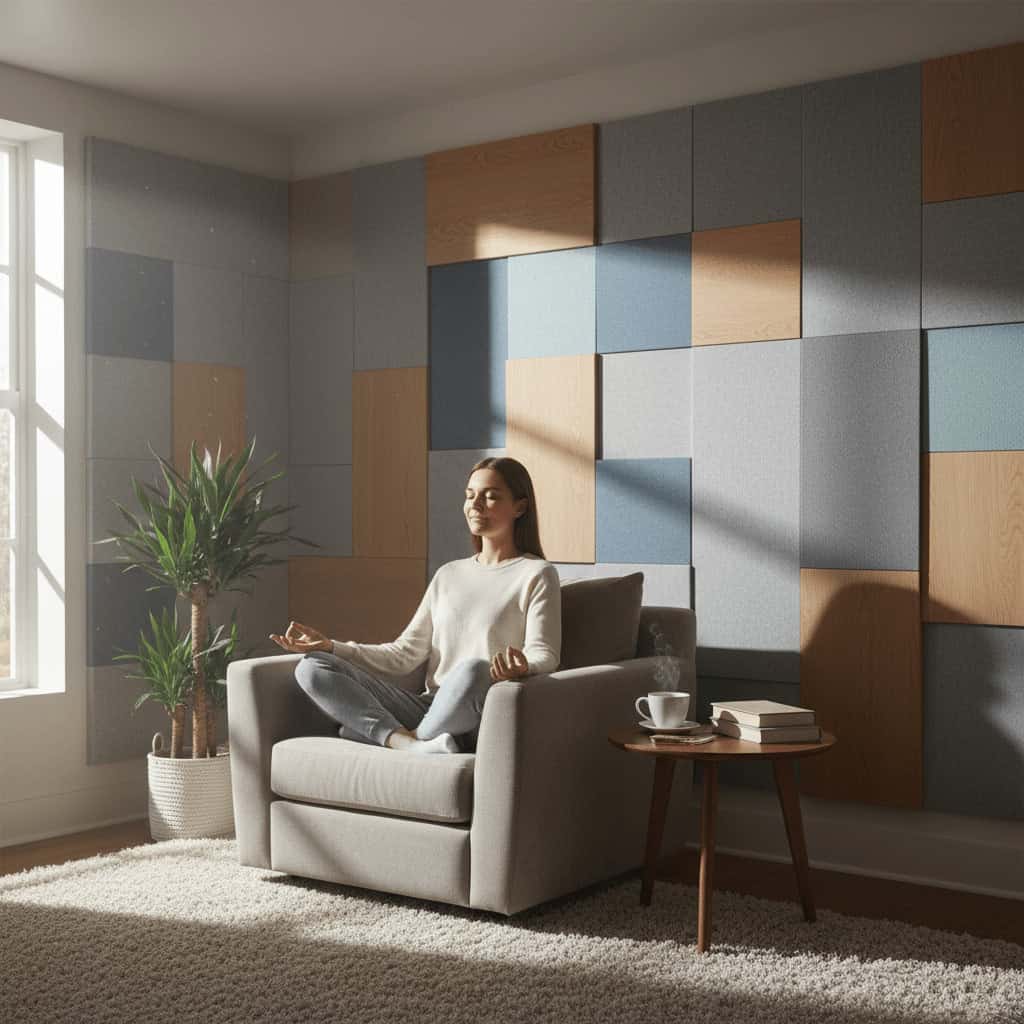
One practical route to a calmer acoustic setting is the use of purpose made treatments for walls and ceilings. These pieces reduce reflections and reduce background noise so voices and sounds feel less intrusive. In this article I explain why sound matters for mental wellbeing and how simple choices with materials and placement can have large returns for daily comfort.
How persistent noise affects mental wellbeing
Chronic exposure to unwanted noise is linked to a range of mental health effects. People report more tension, trouble concentrating, and poorer sleep after repeated disturbances. In environments where noise fluctuates and surprises are common people can become reactive and mentally fatigued.
Noise makes tasks that require attention more costly in terms of effort. When the brain works to filter out distraction it uses resources that would otherwise go toward the task at hand. That shift can lead to slower performance, more errors, and a sense of being worn out at the end of the day.
- Sleep disruption can reduce mood regulation and increase irritability.
- Frequent interruptions lower sustained attention and learning capacity.
- High background noise raises perceived stress and reduces comfort in social settings.
How sound absorbing products support mental wellbeing
Reducing reflected sound and lowering reverberation changes how a room feels. When a room does not hold onto sound it becomes easier to hear desired speech and to ignore far away noise. That reduction in cognitive load helps people concentrate for longer and feel less drained.
One common solution is the acoustic panel. Placing an acoustic panel in trouble spots reduces echo and softens sudden loud sounds. The visual presence of a panel also signals that the space is set up for calm which can affect behavior in subtle ways.
Choosing materials and designs for specific needs
Not all sound treatments work the same. Materials vary in density and porosity which alters how much mid and high frequency sound they absorb. The shape and thickness of a piece determines whether it will handle speech frequencies or lower rumble.
Material types and what they do
- Open cell foam absorbs high frequencies and cuts back on sharp echoes.
- Fiberglass and mineral wool handle a broader band of frequencies and are common in professional settings.
- Fabric wrapped panels combine absorption with a softer look that fits home and office décor.
Placement tips for maximum effect
Where you put treatments matters more than how many you install. Start with the first reflection points on walls adjacent to listening and working positions. These are the spots where sound hits soon after leaving the source and creates the strongest echo.
- In a workspace place panels behind monitors and on side walls near seating.
- In a living room focus on the wall opposite the largest sound source and above the main seating area.
- For rooms with hard floors and high ceilings add panels to the ceiling near the center of activity.
Practical setups for home spaces
Small changes can yield noticeable comfort gains. In a home office a single panel behind the desk often reduces recorded room sound and makes virtual meetings clearer. In a bedroom adding soft absorbent elements on at least one wall can make a big difference to sleep continuity.
Think about daily routines and where sound interferes. If morning routines are disrupted by hallway noise consider a panel near the door or using a runner on the floor. If family conversations are strained by overlapping activities create a quiet zone with a cluster of panels and soft textiles where people can speak without raising voices.
- Bedroom tip Use panels above the headboard to reduce sound bounce from a street facing window.
- Living area tip Combine panels with rugs and curtains to manage both vertical and floor reflections.
- Home office tip Pair one panel with a bookshelf and plants to break sound paths and provide visual interest.
Workplaces and schools where sound decisions matter
Open plan offices and classrooms are common examples where poor acoustics hurt both performance and wellbeing. In acoustically untreated rooms people often raise their voices, which raises background noise and creates a loop of increasing sound levels. Breaking that loop with strategic absorbent elements reduces vocal strain and improves speech intelligibility.
For meetings and group learning a modest number of panels on rear and side walls will reduce reverberation and make it easier to follow speech. In break areas a softer sound setting encourages calmer social interaction which can lower stress during busy times.
- Meeting areas benefit from panels near the ceiling and on the wall behind the speaker.
- Classrooms gain from distributed panels that lower overall reverberation so both teacher and students can hear clearly.
- Open seating areas improve when several small panels are spread over the ceiling plane to disrupt long sound paths.
Maintenance, cost considerations and DIY options
Keeping treatments effective is simple. Regular dusting and occasional fabric care will preserve both look and performance. For longevity avoid direct sunlight on fabric and check adhesives and fixings after major temperature or humidity changes.
Cost depends on material and finish. Entry level solutions can be low cost and still reduce echo noticeably. Mid range panels made with higher grade absorbers provide wider frequency control. If you prefer a hands on approach it is possible to construct frames, fill them with absorptive material and wrap them in fabric. That method allows custom sizes and can be friendly on a limited budget.
- Check mounting hardware and follow weight guidelines for walls.
- Combine store bought panels with soft furnishings when looking for a balance of aesthetics and function.
- Test placements before committing by temporarily leaning panels in candidate spots to compare results.
Measuring impact and small experiments that help
To evaluate whether a change has a positive effect try simple before and after checks. Note how often conversations are interrupted, how many times you wake during the night, or how long it takes to get back on task after a distraction. Small subjective measures like these often track well with how much relief a treatment provides.
For a more objective check use a smartphone app that measures reverberation time and average background sound level. Compare readings before and after treatment to see where the biggest changes occur. That information helps guide follow up moves so you can place additional pieces where they will have the most effect.
Common misconceptions and realistic expectations
People sometimes expect a single panel to fix all issues. While one piece can make a room feel calmer it will not remove all distant noise sources. Panels control reflections and local reverberation. They are most effective when used as part of a layered approach that includes soft furnishings, door seals, and targeted placement near noise sources.
Another misconception is that treatments must dominate the decor. Many modern panels offer subtle designs or can be integrated with shelving and art. Choosing visually compatible pieces helps maintain a welcoming atmosphere while supporting mental comfort.
Finally, acoustic work is not an instant cure for chronic stress or sleep disorders. Where sound is a contributing factor reducing unwanted noise can alleviate symptoms and make other interventions more effective.
Sound changes our daily experience in real ways. Taking a few measured steps to reduce unnecessary noise and manage reflections can lower daily tension, improve sleep quality, and make it easier to focus. Try one small test in your space and observe the difference over a week.
Ready to make a change Try a modest setup and monitor how people feel and perform. If you want more guidance take measurements, list the spots where noise bothers you most, and prioritize treatments for those areas. If you are curious about real world examples or product options look for reviews and case notes from users in similar rooms. Small investments in the soundscape often yield lasting returns in calm and clarity.